Reach and setup questions to answer first
- Is there a clear, unobstructed line from the machine to the task?
- How far is the base from the safe setup point to the work face?
- What working height is required once at the edge of the structure?
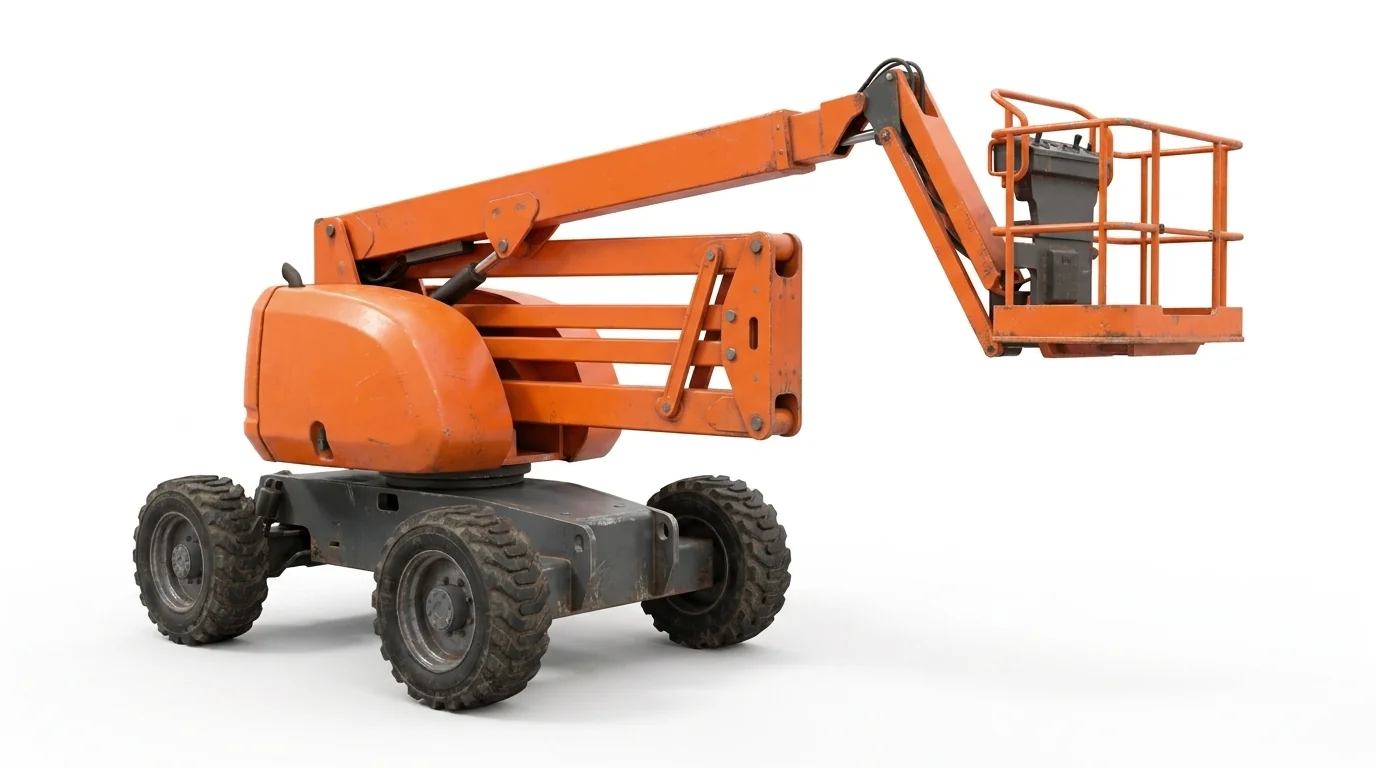
If the machine can stage at a predictable setback without overhead conflicts, a straight boom usually places the platform fastest and reaches farther per foot of boom length.
Site and climate factors around Toledo
- Open aprons at distribution buildings can be windy. Platform capacity and allowable rated wind vary by model; planning should account for prevailing exposure.
- Freeze-thaw and lake-effect snow leave slick patches along curbs and gravel shoulders. Approach traction and grade can determine whether you need rough-terrain axles and tires.
- Some sites still have unsettled, moisture-prone soils near drainage. A wider footprint and rough-terrain package provide better support than narrow indoor units.
Measurement checkpoints
- Maximum horizontal reach to the work point, not just platform height
- Tail swing clearance for tight staging near bollards or utilities
- Ground clearance and allowable grade on access routes
- Platform capacity for people, tools, and materials
When another lift fits better
- Overhead obstructions or the need to reach back behind a ledge favor a knuckle boom; see /articulating-boom-lift-rental/.
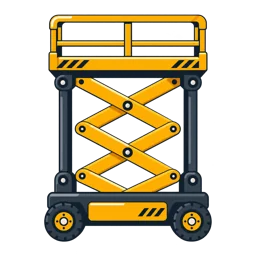
- Pure vertical tasks inside on solid slab may align with /electric-scissor-lift-rental/.
Actual conditions, the selected unit’s instructions, and site procedures govern elevated work.
Related planning
For material placement while you maintain elevation work, see /telehandler-rental/. Explore general aerial options at /boom-lift-rental/ and /aerial-lift-rental/.