Scissor versus boom in Toledo facilities
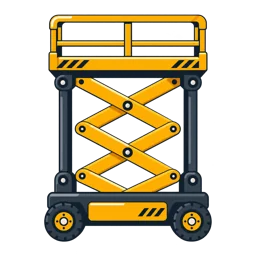
- Straight vertical work: Electric scissor lifts on finished slab handle signage, lighting, and racking where the machine can sit directly under the task. See /electric-scissor-lift-rental/.
- Uneven or outdoor surfaces: Rough‑terrain scissors provide wider platforms for cladding and utility runs on variable ground. See /rough-terrain-scissor-lift-rental/.
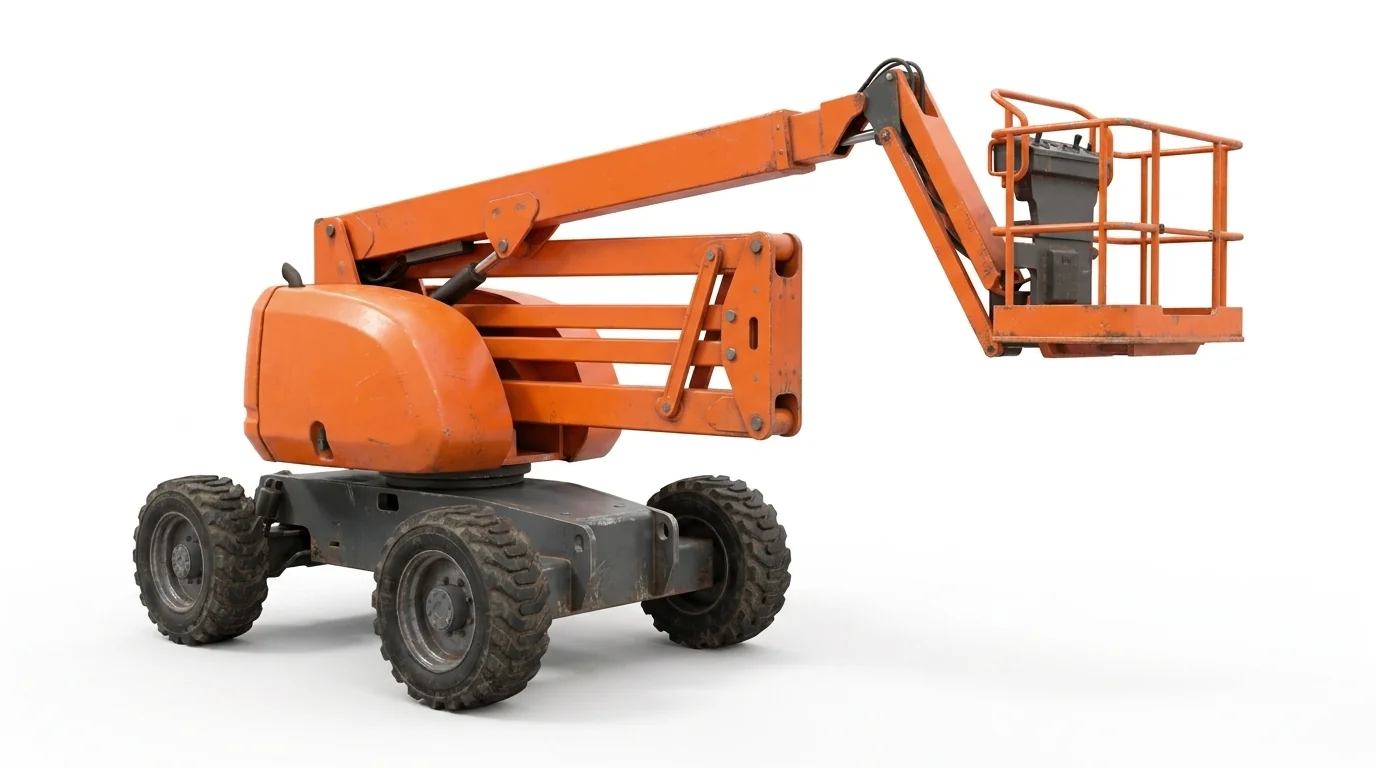
- Obstructed paths: Articulating booms navigate around conveyors, mezzanines, and process lines common in regional manufacturing.
Choosing a boom geometry
- Articulating booms: Best for up‑and‑over access in congested interiors or exterior courtyards. They clear pipes, rails, and canopies without moving the base machine frequently.
- Telescopic booms: Prioritize horizontal reach and working height along long facades or yard lighting. They suit open sites with room to position the chassis.
Local factors that influence selection
- Regional climate: Wind, precipitation, and cold periods affect scheduling and battery or engine choice. Indoor electric scissor lifts avoid emissions; booms may need space for ventilation if used inside large bays.
- Ground conditions: Historic wetland soils and seasonal moisture argue for rough‑terrain features outdoors. Verify approach routes from laydown areas to the work line.
Related categories and complements
- Articulating and straight booms: /boom-lift-rental/
- Focused scissor guidance: /electric-scissor-lift-rental/ and /rough-terrain-scissor-lift-rental/
- Material and site support: /telehandler-rental/ and /temporary-fencing-barricades-rental/
Actual conditions, the selected unit’s instructions, and site procedures govern exterior and elevated work.