Read the surface before the spec
- Is the path compacted, rocky, or seasonally soft?
- Does the work zone include slopes, drainage swales, or backfill that hasn’t settled?
- Are there access pinch points between site fencing, utilities, or materials staging?
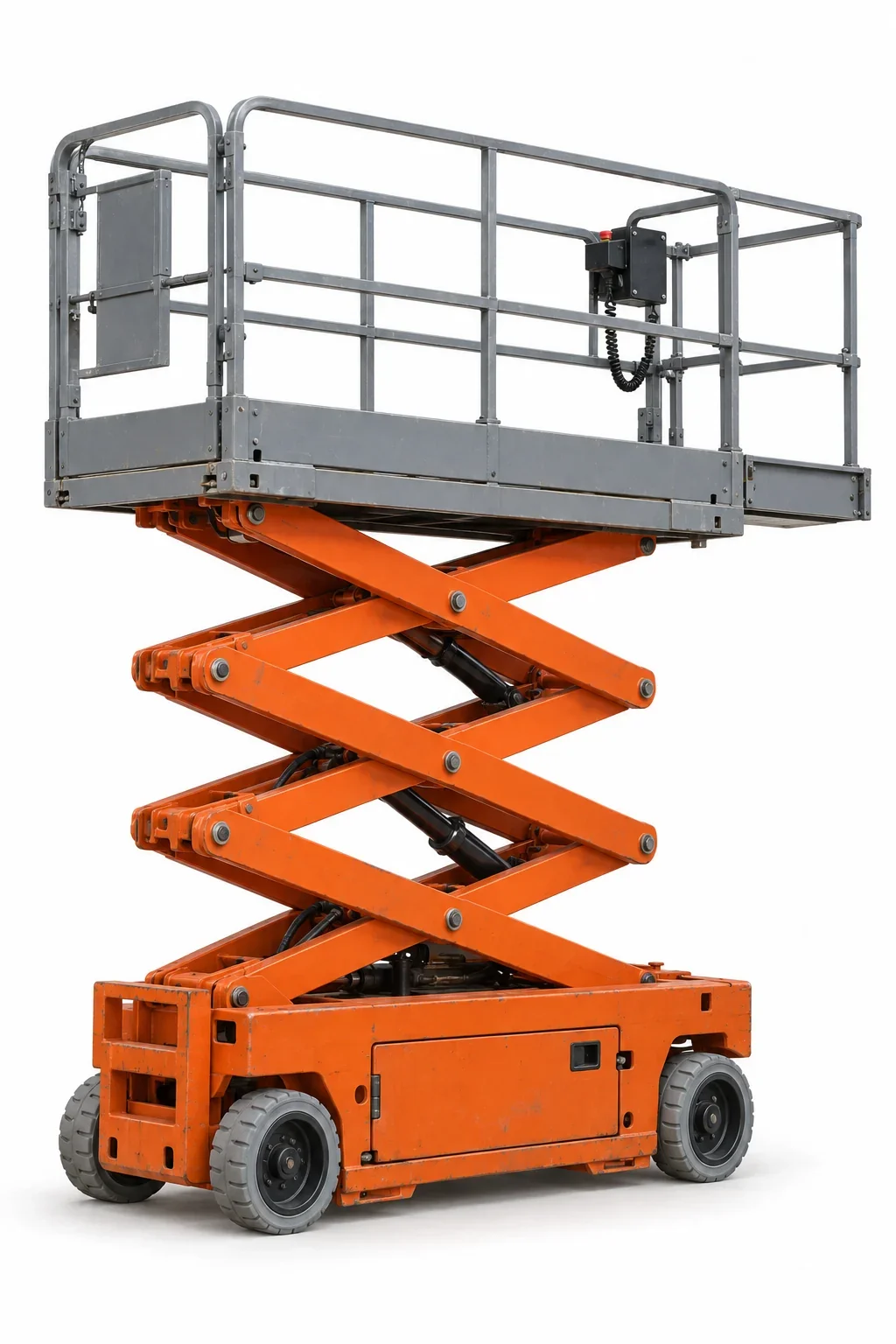
These questions decide whether a rough‑terrain scissor can approach safely and whether its weight and tire pattern suit the surface. Areas tied to the region’s historic wetlands can hide soft pockets beneath topsoil; a wider stance and appropriate ground clearance help maintain stability.
Platform height and deck space
- Choose platform height and deck length for cladding, glazing, or MEP work that needs room for materials and multiple trades.
- If the task requires reach over canopies or setbacks, a boom may be the better geometry; compare options at /boom-lift-rental/.
Weather and season in Toledo
- Freeze‑thaw cycles and lake‑effect moisture can turn firm ground into slick patches. Traction characteristics and site mats are planning topics with the GC.
- For mixed indoor/outdoor days, remember that rough‑terrain tires and widths may not pass standard doors; coordinate staging.
When to consider alternatives
- Tight exterior courtyards with overhangs: An articulating boom at /aerial-lift-rental/ can navigate up and over.
- Palletized material handling on rough ground: A telehandler at /telehandler-rental/ may complement the lift for staging.
Actual conditions, the selected unit’s instructions, and site procedures govern exterior and elevated work.